
People Don’t Buy Your Product. They Buy What It Means
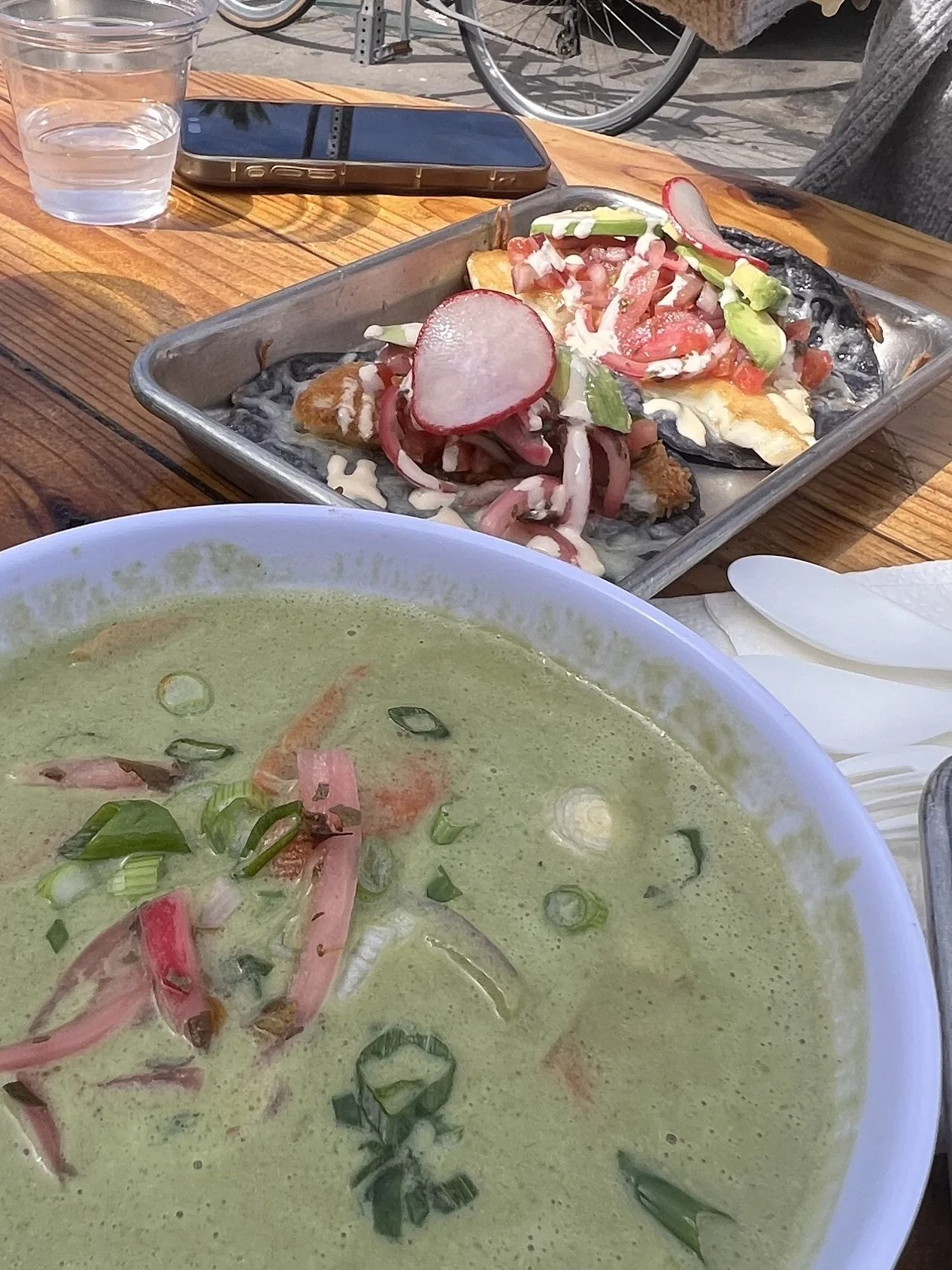
Picture this. Two restaurants open on the same street, six months apart. They’re similar in prices and in their menu items. Both good food, both decent service. A year later, one of them has waitlist on Friday nights and their dining room full of people who’ve been coming since the beginning. The other is doing fine, but just fine.
What’s the difference?
It’s not the food.
But it’s the feeling people walk away with. It’s what coming back means to them and whether your business gives them a reason to make it part of their story.
We Don’t Value Things. We value What They Mean.
Rory Sutherland, in his book Alchemy, puts it simply: “We don’t value things; we value their meaning.”
It sounds straightforward, but sit with it for a second. It reframes everything.
When someone chooses where to have dinner, they’re not running a spreadsheet. They’re not comparing protein-to-price ratios or calculating the square footage of the dining room. They’re asking (usually without realizing it) How will I feel there? What does going to this place say about me? Will it feel like I belong there?
The product is almost beside the point. What people are actually buying is a feeling. An identity. A sense that this place was made for someone like them.
This isn’t a soft idea. It’s psychology. And once you understand it, you start to see it everywhere, especially in hospitality, where the experience is the product, and the meaning needs to be built into every single interaction.
The Heavier Bottle
Sutherland gives an example that I’ve been thinking about since I’ve read it and will be thinking about probably for forever.
Wine tastes better when it’s poured from a heavier bottle.
Not because the wine is different, and not because the grapes are better or its been aged for longer, but because the bottle itself is heavier. That weight quietly tells your brain that this is something worth savoring. The meaning shifts and so does the entire experience.
And that’s not irrational. That’s human nature.
We make meaning out of everything around us. The weight of the bottle, the warmth of a greeting, whether someone remembers our names when we walk through their door. That meaning we give to those things shapes how we feel, what we remember, and whether we come back or not.
Your Hospitality Business Has a Heavier Bottle. Are You Using It?
Think about a business that you’re loyal to. Like really loyal to. Not just the ones you visit out of connivence, but the ones you would go out of your way for.
Chances are, it’s not because they have the best products on the market, but because of how they make you feel. The bartender starts pouring your drink when they see you walk in. The cafe where the owner knows your order takes a moment to ask you about how your life has been. The hotel that remembered you mentioned it was your anniversary and left something in your room.
None of that is the product. All of it is the meaning.
And here’s what that means for your business: every interaction you have with a customer is an opportunity to add weight to the bottle. The way your staff greets someone at the door. Whether your regulars feel seen or just served. Whether someone leaves feeling like a guest or like they belong.
The businesses that build that kind of meaning don’t just get customers. They get advocates. People who bring their friends, celebrate milestones at your tables, and tell anyone who will listen that your place is their place.
That’s not luck. That’s what happens when meaning is built into everything you do.
This Is Where Marketing Lives
Here’s the part that most people miss.
Building meaning isn’t just about how you run your business. It’s about how you show up for your community even before they walk through your door, and when they leave.
That’s what community-first marketing actually is. It’s not just posting pretty photos three times a week. It’s not chasing trends or optimizing for reach. It’s creating consistent, intentional presence that tells people that this place is for you. You belong here. We see you.
When your marketing is built around meaning, it stops being a megaphone and starts being an invitation. And the people who respond to that invitation aren’t just customers. They’re the beginning of something that compounds. Relationships will deepen, communities will grow. You won’t have to be a business that feels like they have to fight for a new customer because the ones you already have will keep coming back and bring new people with them.
Profit follows meaning and it always has. The businesses that understand this aren’t choosing community over revenue, but they’re choosing the path that leads to both.
The meaning is already there. The questions is whether your marketing reflects it.
Most hospitality businesses we love aren’t doing anything magical. They’re just deeply intentional about how they make people feel, and being consistent enough to do it over and over again until it becomes who they are.
That’s the work. And it’s the work worth doing.
If you’re a hospitality business owner who already believes this, who knows that the relationships you build with your customer matter more that any transaction, this is what community-first marketing is for. Not to convince you that community matters (you already know that) but to help you show up for yours in a way that’s consistent, strategic, and true to what your business actually stands for.
That’s what we do at Farnsworth Street Marketing.
If that resonates, let’s chat
🍊 L
