
Why Your Regulars Are Your Most Powerful Marketing Strategy & How to Keep Them
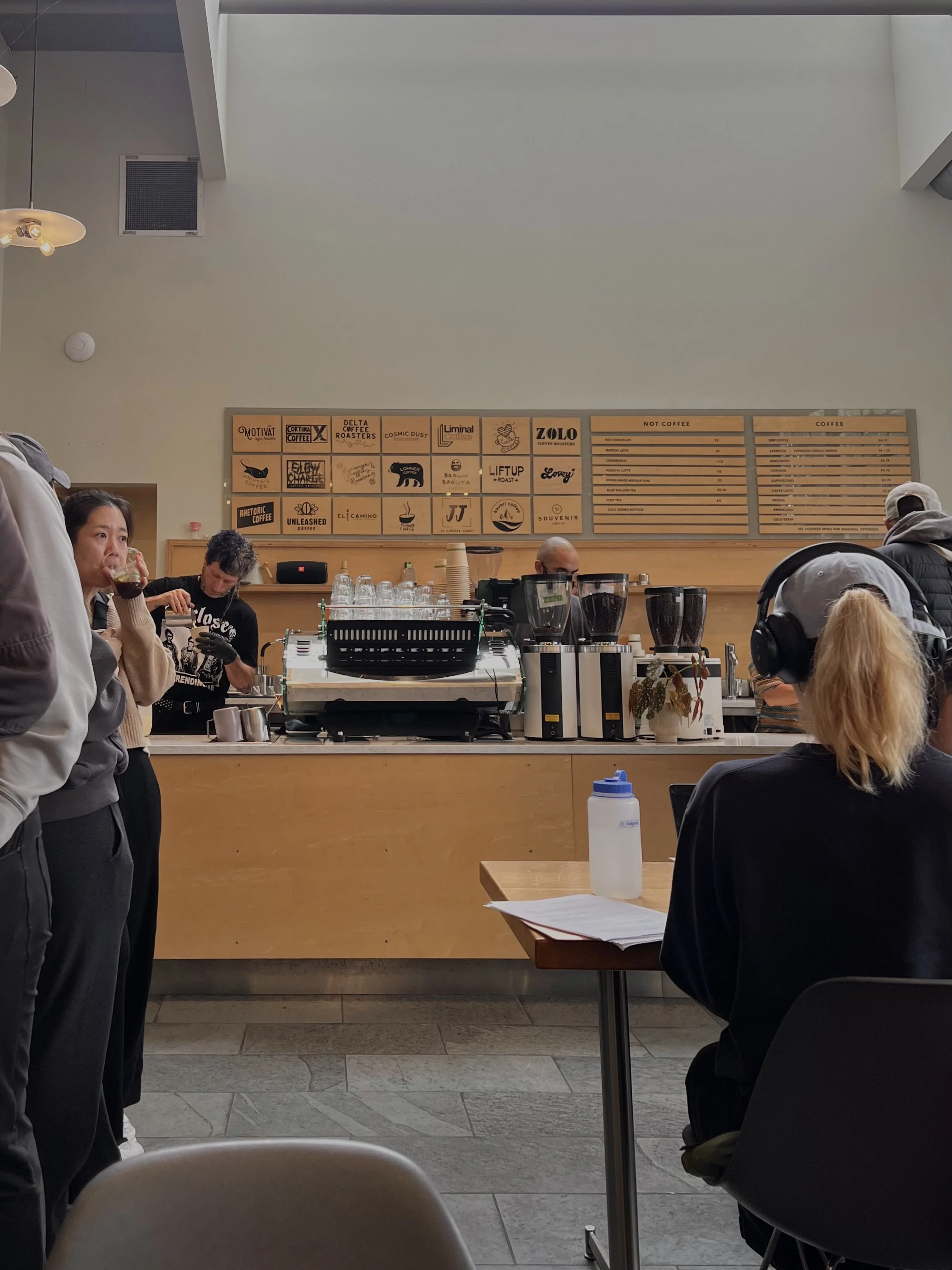
There’s a moment that every hospitality or studio knows.
A new customer walks in, they’re a little wide-eyed, and little cautious. They order something, they take in the experience, and then they leave. And you never see them again.
It’s actually one of the quietest losses in business. Having new customers come in, leave no feedback, no reviews, but just silence.
That loss costs more than most business owners realize.
The math nobody talks about
Research from Bain & Company found that increasing customer retention rates by just 5% can increase profits by 25-95%. A regular (someone who comes back, brings a friend, posts about you unprompted) is worth exponentially more than a one-time visitor, even when their individual spend looks similar on paper.
But the real cost of losing a customer isn’t just their future purchases. It’s the marketing dollars, the time, and the effort it takes to find someone new to replace them. Acquiring a new customer costs anywhere from 5 to 7 times more than retaining an existing one. Every person who walks through your door once and isn’t coming back is a gap you have to fill over and over again.
Your regulars aren’t just your most loyal customers. They’re your most efficient ones.
And more than that, they’re your most powerful marketing strategy.
So, who is actually considered a “regular”?
There’s a difference between a repeat visitor who just shows up often, and a regular.
A regular is someone who has kind of crossed a certain threshold and they actually feel like they belong within your community. They the names of your staff, they have a usual order, a favorite spot to be in, and essentially built a ritual within your space. When a friend asks where they should go, your business is recommended without hesitation.
A regular will be your advocate and your recruiter.
The difference between a business that struggles to grow and one that seems to attract new people effortlessly comes down to how many advocates you have. How many people out there are having conversations with your business’s name?
Why people become regulars and why they don’t
Here’s what most business get wrong. They think regulars are made by product quality alone. Having good food, great ambience, and a beautiful space.
Yes, those things matter, but they’re the floor, not the ceiling.
People become regulars because of how a place makes them feel. Because someone remembered their name, they felt seen without having to ask for it. Something about their experience with you has signaled to them that they belong here.
Belonging is a fundamental human need, and when a business meets that need, people come back and become protective of the place. It becomes a part of their identity and they want you to thrive because, in some small ways, your success feels connected to theirs.
This is why transactional businesses, the ones that deliver a good product, but never a relationship, struggle to retain customers even when their quality is high. People don’t form attachments to transactions. They form attachments to experiences that make them feel something.
Four things that’ll build regulars
Remember things.
This sound simple, but it isn’t easy. Remember someones name, remember what they ordered last time. Notice when they’re in for the first time in a while and acknowledge it. Small acts of recognition send a clear signal that they matter here.
You don’t need a complicated CRM system for this. Just a team culture that’ll prioritize it.
Create Rituals.
Rituals are the glue that turns visits into habits. A weekly special that people plan their week around. A first-class discount that makes someone feel like they made a smart decision. A birthday treat that lands in their inbox and makes them feel though of. A playlist, a drink, a moment that they can count of being there everytime.
Rituals lower the decision-making threshold. Instead of actively choosing to come back, people just do because that’s what they do on Wednesdays. It’s part of their routine.
Make them feel like insiders.
There’s a meaningful difference between a customer and being part of something. Giving your community a peek behind the curtain, like a first look at a new menu item or an invitations to a soft launch, create a feeling of belonging that keeps people invested.
People are loyal to places they feel in on, not just places they visit.
Show up for them online the way they show up for you in person.
This is where content and community management become part of retention strategy.
When someone tags you in a photo, responds to a story you posted, or leaves a comment and you genuinely respond with something real, you are making the effort of continuing the relationship outside of the location. You’re signaling that the connection goes both ways.
Your social media presence is an extension of your hospitality. It’s how you stay relevant between visits, and how a regular who has moved away from the city still feels connected to your community.
One thing to do this week
Pick 5 recent customers or guests that you haven’t seen in awhile.
Reach out. Not a promotional email blast, but something personal and meaningful that says that you noticed they hadn’t visited and you’d love to see them again.
It’s not a marketing campaign, but a chance to build relationships.
Regulars are’t found. They’re made.
Nobody becomes a regular by accident. Someone, usually a team, made them feel welcome enough to come back, seen enough to stay, and included enough to tell other people.
It’s not passive, but a practice and culture. It’s a choice about the kind of business you want to be.
The work is making sure that shows up in and outside of your space.
🍊Farnsworth Street Marketing helps hospitality and lifestyle businesses build the kind of online presence that keeps people connected between visits. If you want to talk about what that could look like for your business, let's connect here.
